










General terms
On first login (and again when the version changes)
By signing in, your team agrees to your house rules. New hires can’t skip past it; veterans re-accept when terms are updated.
Built for licensed and regulated content
Know what you're allowed to do with every file in your library, and prove it, even years later. Rights policies, layered consent, and an audit trail that doesn't flinch under a regulator's review.
Finding the right file is the easy part. Keeping every use of it on the right side of your contracts, that's where Freedam earns its keep.
The mistake
The stock photo whose license expired three months ago, still on your homepage today.
What Freedam does
Every policy can carry an expiry. Owners get a heads-up weeks before, and downloads stop the day the license ends.
The mistake
The talent release that only covers North America, used in last week’s European campaign.
What Freedam does
Territory constraints are checked when someone tries to download, share, or publish. The wrong region simply can’t go through.
The mistake
The brand asset that ended up scraped into someone’s AI training set.
What Freedam does
A first-class “no AI training” prohibition travels with the file, visible to every viewer, recorded in every audit row.
The mistake
The contributor agreement you updated last month, and never made anyone re-sign.
What Freedam does
When you publish a new version, contributors are asked to accept it next time they upload. The old version stays linked to past uploads.
The mistake
The audit a regulator (or your own legal counsel) asked for last Tuesday afternoon.
What Freedam does
Pull every download of a given asset, with who, when, where, and the exact policy version that decided the answer. Export in minutes, not weeks.
Different stakeholders accept different things at different moments. Every acceptance is captured, with the version they actually saw.
On first login (and again when the version changes)
By signing in, your team agrees to your house rules. New hires can’t skip past it; veterans re-accept when terms are updated.
Before contributors push files into your library
Photographers, agencies, and internal contributors warrant they have the rights to what they’re uploading. Bumped versions trigger a fresh acceptance.
At download time, tied to the specific asset
“Editorial use only, no commercial redistribution.” “Paid social allowed in EU only.” The user sees the rules tied to that file before the download begins.
Every asset can carry a rights policy that spells out what is permitted, what is forbidden, and what duties go with the right. No legal degree required to understand it, and no JSON wrangling to set one up.
Built on ODRL, the W3C open standard for digital rights. Your policies travel with your files, portable into legal review, distribution systems, and partner audits.
Rights policy
ActiveTitle
2026 Spring Campaign, Hero Imagery
You can
You can't
You must
Where
European Union only
Until
31 December 2026
Channels
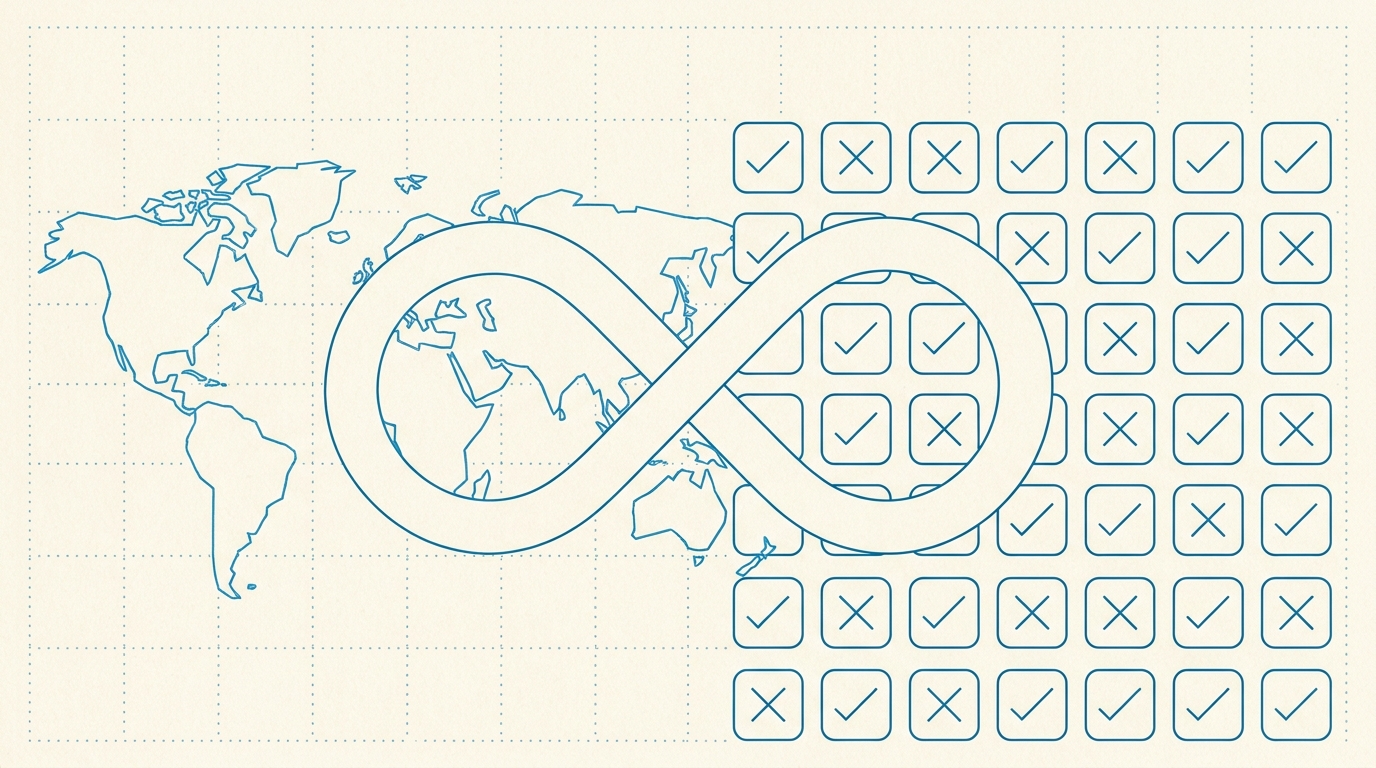
Rights aren't binary. A model release might cover web editorial in the EU but not paid social anywhere. Print may be fine in North America and forbidden in APAC. Freedam captures this the way your legal team writes it.
Pick from regional rollups, drop down to your organization's home country, or leave it global.
Marketing channels your stakeholders actually recognise, from web and print to point-of-sale and out-of-home.
When someone tries to download or share, Freedam checks the territory and channel they intend to use. Mismatch? The action is blocked, and the attempt is logged.
When legal asks “did this user accept?”, you don't get to change the answer after the fact. Neither does anyone else.
Consent records can’t be edited or deleted, not by your team, not by a future admin, not even by us. The database itself refuses.
When your terms change later, the old version stays linked to the people who accepted it. “Which text did they actually agree to?” always has an answer.
Login, first upload, download, share, the right consent is gathered at the right trigger, automatically. Your team never has to think about it.
IPs are hashed, not stored. You get a unique fingerprint for forensic purposes, without holding personal addresses you didn’t need.
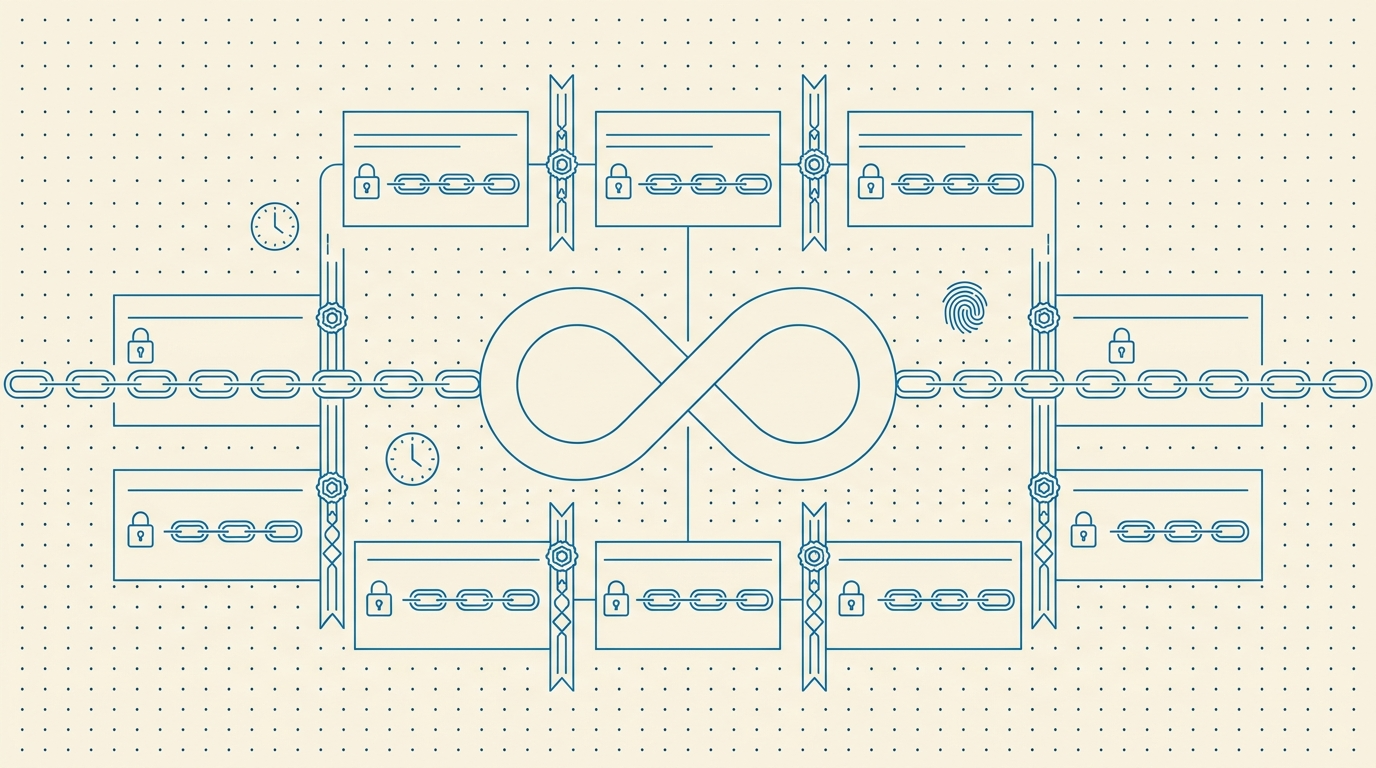
Every meaningful action against an asset leaves a trace. Filterable, exportable, and detailed enough that a year later you can still answer, under which version of which policy did we let this happen?
Before reusing an asset, your team needs to know who owns it, what the license allows, and whether consent still applies.
See rights in the brand asset workflowModel and influencer releases now routinely cap territory, channel, and duration, with named penalties for breach.
Stock libraries, photographers, and agencies are auditing where their work shows up in training data. Explicit prohibitions matter.
GDPR set the template; APAC, Latin America, and US states keep adding their own. “We meant well” isn’t a defence.
Co-branded campaigns, sponsorship assets, and licensed IP all carry usage clauses your DAM should enforce, not just store.
The terms that show up in every rights conversation, defined without the legalese.
Production-grade · Start free today
Bring rights, consent, and audit into the same place your assets already live. No new vendor, no new login.
Curious how yours would look? Generate a brand center from your website, free, in about a minute.